
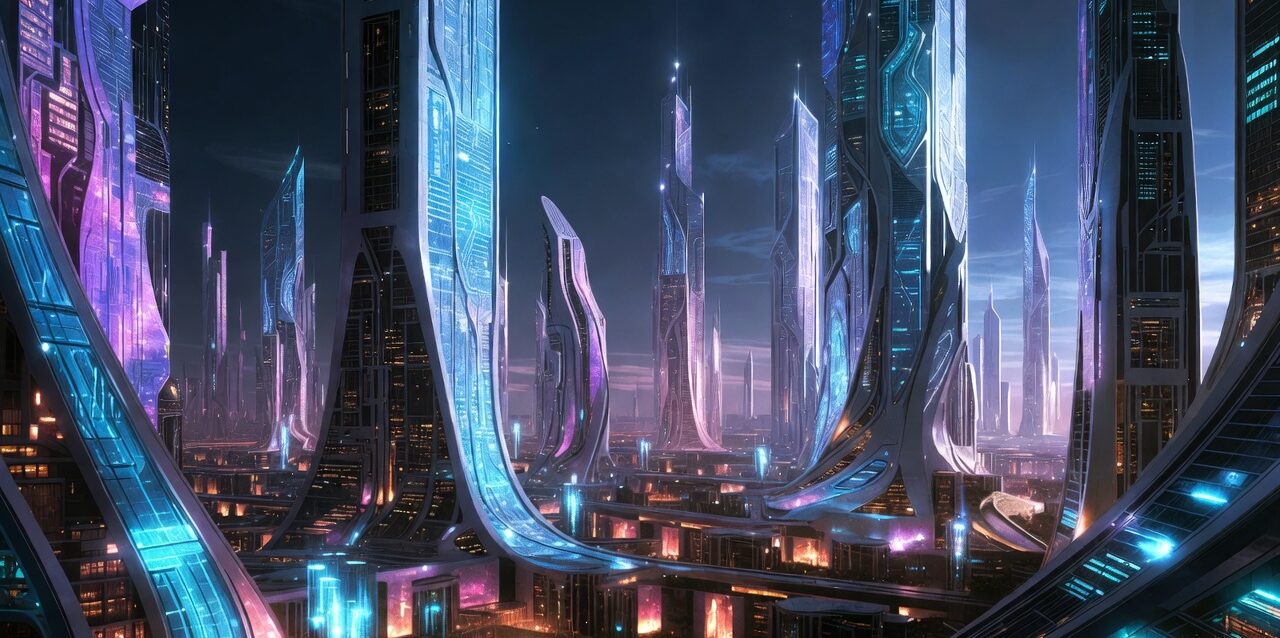
From Car-Centric Sprawl to Dense, Adaptive, Smart, and Human-Centered Urban Ecosystems
As of 2026, over 55–60% of the world’s population lives in cities, a figure projected to reach 68–70% by 2050 (UN estimates), adding roughly 2.5 billion urban residents. Modern cities face mounting pressures: climate change (heatwaves, flooding, storms), traffic congestion, housing affordability crises, energy demand, inequality, and post-pandemic shifts in work and mobility. Many cities still rely on 20th-century infrastructure — car-dependent sprawl, aging utilities, and fragmented planning.
By 2040, modern cities transform into dense, resilient, smart, and human-first ecosystems — prioritizing proximity, sustainability, health, equity, and adaptability. The focus shifts from endless outward expansion to intelligent vertical and mixed-use growth, with technology and nature woven into every layer of urban life.
1. Near-Term (2026–2030): Proximity, Electrification & Smart Infrastructure
- 15-Minute & 20-Minute Cities Mainstream
Daily needs (work, shops, schools, healthcare, parks) become reachable in 15–20 minutes on foot, bike, or short transit. Paris, Barcelona, Melbourne, Bogotá, and dozens of cities implement 15-minute zoning, mixed-use redevelopment, and car-free/low-traffic neighborhoods. - Mass Electrification & Mobility Shift
EVs reach 40–60% of new vehicle sales; e-bikes, e-scooters, and autonomous shuttles dominate short trips. Cities expand dedicated bike/pedestrian lanes and remove parking minimums. Urban air mobility (eVTOL air taxis) launches in select corridors. - Smart City 2.0
IoT sensors, digital twins, and AI optimize traffic, energy, waste, and public safety. Predictive maintenance reduces outages; real-time data informs urban planning and emergency response.
2. Medium-Term (2030–2035): Vertical Density & Regenerative Urbanism
- Vertical & Mixed-Use Cities
High-density, mixed-use towers and “vertical villages” rise — residences, offices, retail, schools, clinics, and vertical farms in single structures. Cities densify inward rather than outward, preserving green belts and farmland. - Regenerative & Circular Design
Buildings become net-positive (generate more energy than they consume) with solar façades, geothermal, rainwater harvesting, and greywater systems. Circular construction (modular, reusable materials) cuts waste 70–90%. Urban metabolism closes loops — waste becomes resource. - Climate-Resilient Infrastructure
Floating districts, elevated walkways, floodable parks, and mangrove barriers protect against sea-level rise and storms. Underground utilities and multi-level transport reduce surface disruption.
3. Long-Term (2035–2040): Adaptive, Symbiotic & Biophilic Cities
- Adaptive & Shape-Shifting Urban Fabric
Buildings and districts reconfigure — modular walls, retractable roofs, and AI-managed layouts shift uses (office to residential, event space to market) based on demand. Digital twins simulate changes before implementation. - Biophilic & Health-First Cities
Every resident lives within 300 m of green space. Vertical forests, green roofs, urban rivers, and biophilic design improve mental/physical health. Air quality, noise, and heat are actively managed; cities become wellness ecosystems. - Decentralized & Resilient Systems
Microgrids, local energy storage, vertical farming, and circular water/food systems make neighborhoods semi-self-sufficient. Cities withstand blackouts, extreme weather, and supply shocks.
Illustrative Modern City Scenarios by 2040
- Daily Life — Resident walks/bikes to work in 12 minutes; building generates 120% of its energy; rooftop farm supplies fresh produce.
- Neighborhood Hub — Mixed-use tower with offices, apartments, clinic, school, gym, and vertical garden — all within a 5-minute walk.
- Climate Event — Floodable park absorbs storm surge; underground utilities remain operational; adaptive buildings shift to emergency mode.
- Social Space — AI-managed public plaza changes lighting, sound, and seating based on crowd mood and time of day.
Key Numbers & Trends by 2040 (illustrative)
- Urban population share: 68–70% globally
- Share of cities with 15/20-minute zoning: 40–60% in developed nations
- Net-positive building share (new construction): 30–60%
- Green space per resident: 15–30 m² (up from 5–10 m² in many cities today)
- Energy self-sufficiency in urban districts: 50–80%
- Car ownership per 1,000 people: down 40–70% in leading cities
Risks & Societal Shifts
- Inequality — Premium smart/resilient districts favor the wealthy; retrofitting older areas lags.
- Privacy & Surveillance — Constant sensor/AI monitoring risks overreach.
- Over-Densification — Risk of social isolation or loss of character in hyper-dense zones.
- Tech Dependence — System failures could disrupt essential services.
Bottom Line
By 2040 modern cities evolve from car-dependent sprawl to dense, adaptive, smart, and human-centered ecosystems.
The dominant paradigm becomes proximity-driven, regenerative, and biophilic urbanism — daily life within a 15–20 minute radius, buildings that produce energy and food, and technology that anticipates and enhances human well-being.
Cities won’t just house people — they will nurture them, protect them from climate extremes, and make every resident feel part of a living, breathing system.
The future city isn’t taller or bigger — it’s smarter, greener, kinder, and designed for people rather than cars.
Urban living becomes not a compromise, but an upgrade — healthier, more connected, and more sustainable than ever before.