
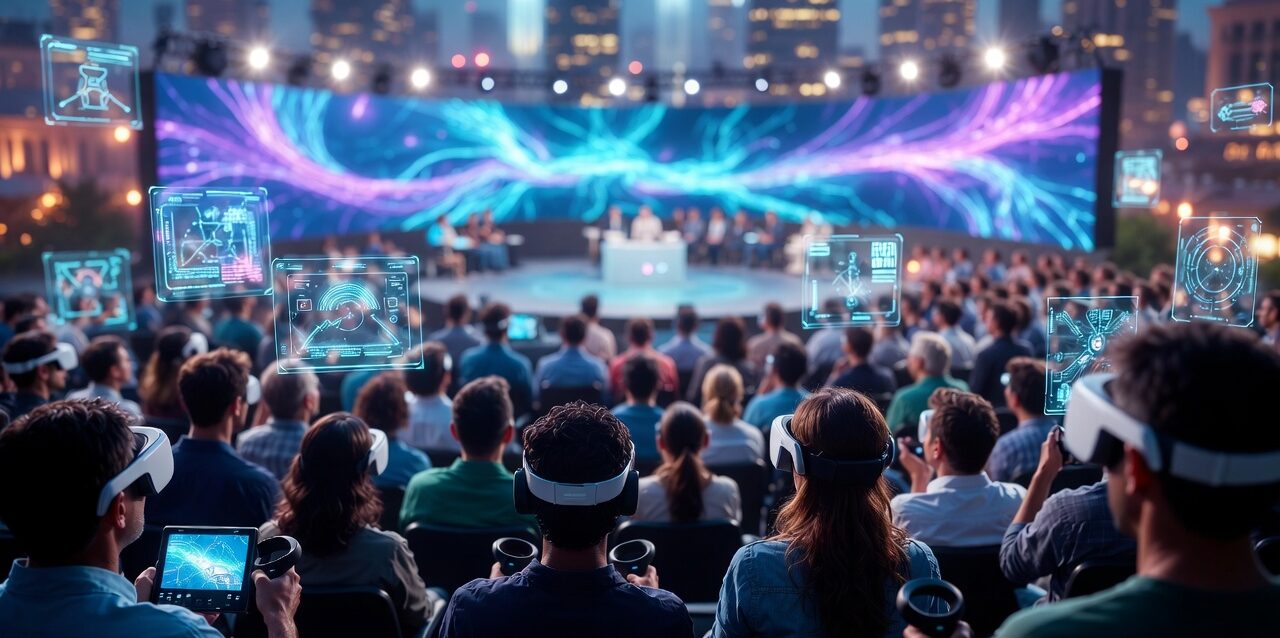
From Passive Consumption to Immersive, Co-Created, and Emotionally Intelligent Play
As of 2026, “having fun” is still largely mediated by screens: streaming shows, short-form videos (TikTok, Reels), console/PC gaming, social media scrolling, and occasional live events. Global entertainment & leisure spending exceeds $2.5–3 trillion annually, but attention is fragmented, passive consumption dominates, and many report rising boredom, digital fatigue, and loneliness despite constant stimulation.
By 2040, having fun becomes active, immersive, socially rich, and emotionally regenerative — a core part of daily life that blends physical, virtual, and hybrid experiences. Fun is no longer something you watch or scroll — it is something you live inside, co-create, and feel deeply.
1. Near-Term (2026–2030): Spatial & Mixed-Reality Fun Takes Off
- AR/VR Becomes Everyday Play
Lightweight AR glasses (Meta Orion successors, Apple Vision 2–3) and comfortable VR headsets turn any space into a playground.
Casual gaming, social hangouts (VRChat-style worlds), and AR-enhanced real-world games (Pokémon GO 2.0, location-based adventures) become default leisure activities. - Hybrid Live + Virtual Events
Concerts, sports, comedy shows, and festivals are experienced simultaneously in-person and in high-fidelity VR.
You can be in the front row virtually, feel crowd energy through haptics, change camera angles, or interact with performers. - AI-Personalized Fun
AI curates playlists, generates stories, designs games, and creates virtual companions tailored to your mood, humor, and interests.
“Boredom busters” — AI detects low mood and instantly suggests or creates a micro-experience (VR escape, funny avatar skit, personalized music video).
2. Medium-Term (2030–2035): Persistent Worlds & Co-Creation Dominate
- Persistent Shared Play Worlds
Entertainment shifts from one-off shows/games to living, evolving virtual universes — like a mix of Fortnite, The Sims, and Westworld, but with real emotional stakes and infinite player-driven stories.
You log into your favorite world daily — friends, NPCs, and AI evolve the narrative together. - Co-Created Fun
Anyone can become a creator — AI handles production complexity.
You co-write episodes with friends, design new levels, compose music, or direct virtual movies — top creations become cultural phenomena. - Full-Sensory & Neuro-Enhanced Play
Haptic suits, scent emitters, temperature control, and early non-invasive brain stimulation create convincing immersion.
“Neuro-fun” lets you feel adrenaline, laughter, awe, or calm directly — short bursts of intense joy become a wellness category.
3. Long-Term (2035–2040): Reality Blurring & Emotionally Regenerative Fun
- Full-Dive & Indistinguishable Realities
High-fidelity VR (or direct neural interfaces) makes virtual experiences feel as real as (or more real than) physical ones.
Many people spend 4–10+ hours/day in synthetic worlds — working, socializing, dating, creating, and playing. - Fun as Emotional & Mental Renewal
Play becomes a primary tool for mental health — VR therapy parks, empathy-building games, stress-relief simulations, and shared joy experiences.
“Fun prescriptions” are issued by AI health coaches — 30 minutes of tailored play for mood regulation. - Physical-Digital Fusion
Real-world activities are augmented: parks with AR treasure hunts, concerts with shared virtual overlays, sports with exoskeleton boosts.
Hybrid events (physical + metaverse participants) become the norm.
Illustrative Fun Scenarios by 2040
- Casual Evening — Step into your personal VR world; friends join from different continents; you co-create a comedy sketch together — laughter feels real.
- Weekend Adventure — Join a persistent fantasy universe; your character has its own backstory that evolves even when you’re offline.
- Date Night — Virtual dinner in a dreamlike restaurant; share sensory experiences (taste, touch, warmth) via haptics and neural links.
- Mental Reset — AI-curated 20-minute “joy immersion” — a perfect beach sunset, favorite music, and gentle emotional release.
Key Numbers & Trends by 2040 (illustrative)
- Daily time in immersive/virtual fun: 3–8 hours for heavy users
- Share of entertainment spending on immersive/co-created content: 60–80%
- Physical cinema attendance: down 70–90%
- Passive screen time (watching pre-made content): <20% of total leisure
- Virtual world “residents” (daily users): billions globally
Risks & Societal Shifts
- Addiction & Reality Blur — Risk of preferring virtual over physical life; blurred boundaries between real and synthetic experiences.
- Inequality — Premium immersive tech favors the wealthy; basic access may lag.
- Mental Health — Over-immersion could reduce real-world social skills or empathy.
- Cultural Loss — Risk of homogenized virtual fun if algorithms dominate creation.
Bottom Line
By 2040 having fun evolves from passive consumption to active, immersive, co-created, and emotionally regenerative experiences.
The dominant paradigm becomes living inside personalized, persistent, multi-sensory worlds — where you don’t watch stories, you become part of them; you don’t play games, you live them; you don’t meet friends, you share realities.
Fun stops being an escape — it becomes a core way to connect, grow, heal, and feel alive.
The future isn’t better Netflix or bigger concerts — it’s becoming someone else, somewhere else, with whoever you want, feeling everything more deeply than ever before.
Having fun in 2040 isn’t something you do to relax — it’s something you do to become more fully human.