
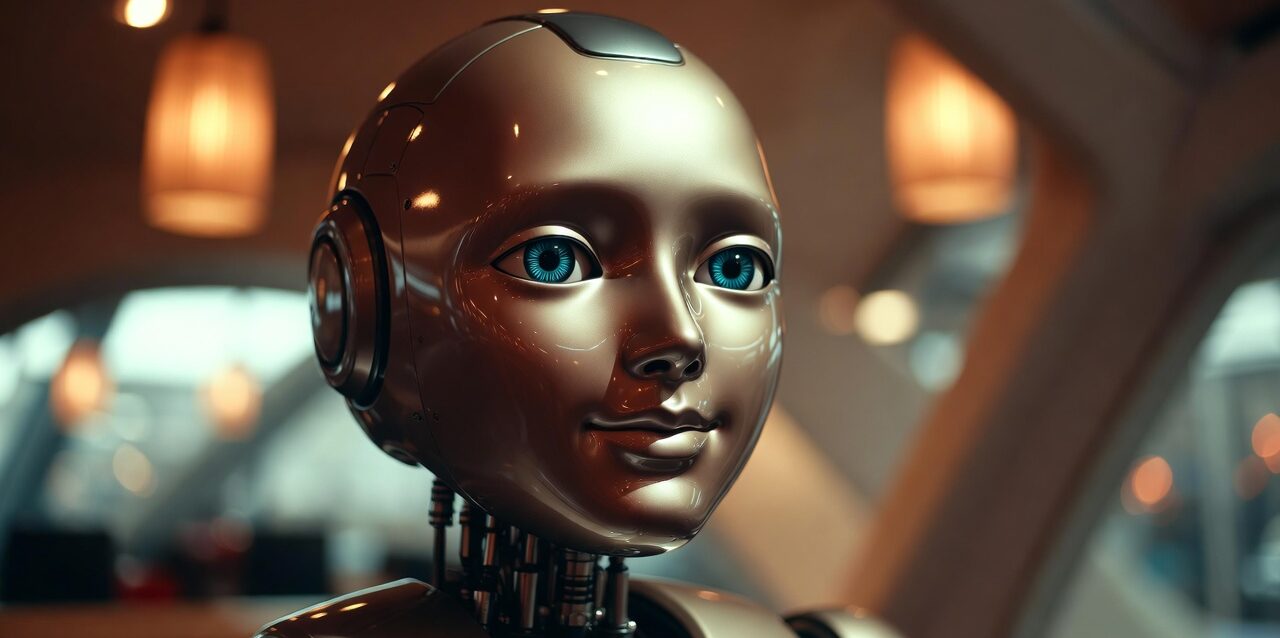
From Niche Automation to Ubiquitous, Symbiotic, and Emotionally Intelligent Robotic Presence
As of 2026, robots are already widespread in industrial settings (automotive assembly, electronics, logistics warehouses) and entering consumer and service markets at scale.
Global robotics market size is ~$50–70 billion, with industrial robots dominating (~70%) but service, medical, and consumer robots growing fastest (CAGR 20–30%+).
Key players include Boston Dynamics (Spot, Atlas), Tesla (Optimus), Figure, Agility Robotics, SoftBank (Pepper), and Chinese firms (Unitree, UBTECH).
By 2040 robots transition from task-specific tools to general-purpose, emotionally aware, and deeply integrated companions — present in homes, workplaces, hospitals, public spaces, and even personal life — handling physical labor, social interaction, caregiving, and creative collaboration at unprecedented levels.
1. Near-Term (2026–2030): General-Purpose Humanoids & Service Expansion
- Humanoid Robots Enter Homes & Workplaces
Tesla Optimus, Figure 01/02, 1X Neo, Agility Digit and similar models begin limited commercial deployment.
Initial applications: repetitive indoor tasks (warehouse picking, factory assistance, home chores), security patrols, and basic elder assistance. - Service & Hospitality Robots Scale
Restaurants, hotels, airports, hospitals, and retail deploy humanoid or wheeled robots for delivery, greeting, cleaning, and simple customer interaction.
Emotional expression and basic conversation improve significantly (large language models + expressive faces/voices). - Specialized Care & Medical Robots
Robotic nursing assistants (lifting, repositioning, medication delivery) and companion robots (ElliQ successors) become common in care homes and private residences.
Telepresence robots allow remote family visits and doctor consultations.
2. Medium-Term (2030–2035): Emotional Intelligence & Multi-Role Versatility
- Emotionally Aware & Adaptive Robots
Robots read facial expressions, voice tone, body language, and context to provide genuine empathy, companionship, and emotional support.
They become trusted confidants for seniors, children, and people with mental health needs. - Multi-Role Humanoids in Daily Life
Single humanoid platforms handle dozens of tasks: cleaning, cooking, laundry, gardening, pet care, child supervision, tutoring, fitness coaching, and basic home repairs.
Families own 1–3 general-purpose robots; small businesses use them for 24/7 operation. - Swarm & Collaborative Robotics
Fleets of smaller specialized robots (quadrupeds, wheeled, flying) coordinate with humanoids — e.g., a home robot directs cleaning bots, delivery drones, and lawn-mowing units.
3. Long-Term (2035–2040): Symbiotic & Society-Shaping Robotic Integration
- Human-Robot Symbiosis
Robots become lifelong companions — learning personality, values, memories, and preferences over decades.
They provide not just physical help but emotional continuity (talking about shared past experiences, offering comfort during grief). - Robots in Every Domain
- Work: Office assistants, teachers, surgeons, construction workers, first responders
- Home: Family members, caregivers, educators, entertainers
- Public: Security, cleaners, guides, emergency responders
- Creative: Co-artists, musicians, writers
- Ethical & Social Integration
“Robot rights” debates mature; some societies grant limited personhood to long-term companion robots.
Laws regulate robot use, emotional bonding, data privacy, and decommissioning.
Illustrative Robot Application Scenarios by 2040
- Home — A humanoid robot wakes you, prepares breakfast, helps elderly parents, tutors children, cleans, and chats about your day.
- Workplace — Office robot handles admin, delivers supplies, assists in meetings (taking notes, summarizing), and provides emotional support during stress.
- Healthcare — Hospital robot monitors patients 24/7, assists nurses with physical tasks, and offers companionship to lonely patients.
- Public Space — Mall/security robot greets visitors, guides lost people, cleans spills, and detects threats with AI pattern recognition.
Key Numbers & Trends by 2040 (illustrative)
- Humanoid robots in homes: 20–50% of households in advanced economies
- Robots per 1,000 people in service sectors: 50–200
- Share of physical labor tasks handled by robots: 60–90% in structured environments
- Emotional companion robots in elderly care: 40–70% adoption
- Global robotics market size: $500 billion – $1+ trillion
Risks & Societal Shifts
- Emotional Dependency — Risk of preferring robot companions over humans; loneliness paradox.
- Job Displacement — Millions of manual and service jobs disappear; universal basic income or reskilling essential.
- Privacy & Manipulation — Constant observation and emotional data collection risks abuse.
- Inequality — Advanced companion robots initially luxury-only.
Bottom Line
By 2040 robots move from tools to ubiquitous, empathetic, and symbiotic partners — present in nearly every aspect of daily life.
The dominant paradigm becomes human-robot symbiosis — robots handle physical labor, routine tasks, and constant companionship, freeing humans for creativity, relationships, and meaning.
Robots won’t replace humans — they will multiply our capacity for care, productivity, and connection.
The future isn’t about machines taking over — it’s about machines allowing us to become more human: less burdened, more present, and more capable of love, creativity, and purpose.
In 2040, the question is no longer “will robots be in our lives?” — it’s “how deeply will we let them into our hearts?”