
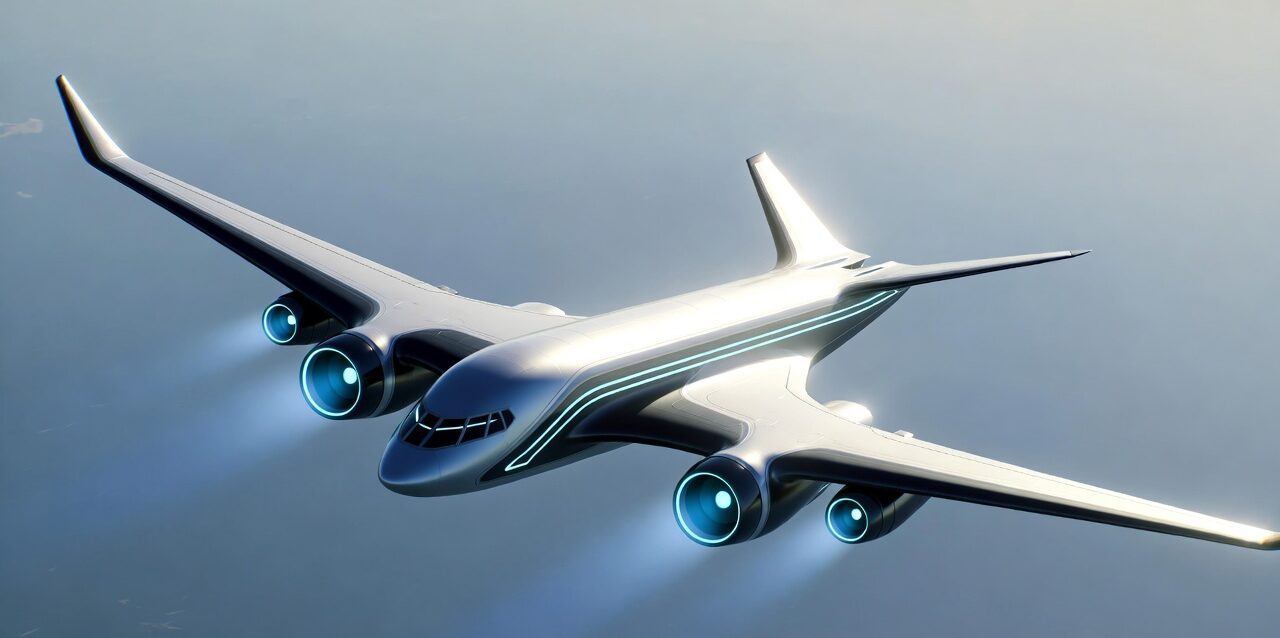
From Conventional Jets to Hybrid-Electric, Hydrogen-Powered, Supersonic Revival, and Urban Air Mobility Networks
As of 2026, commercial aviation is still overwhelmingly powered by kerosene (Jet A-1) engines. The global fleet consists of approximately 26,000–27,000 passenger and freighter aircraft, with Airbus and Boeing dominating deliveries. Passenger traffic has fully recovered from the pandemic and is growing at ~4–6% annually in most forecasts. The industry faces intense pressure to decarbonize — aviation contributes ~2–3% of global CO₂ emissions, with projections showing potential doubling or tripling of emissions by 2050 without major intervention.
By 2040 commercial aircraft are in the midst of a multi-path transition:
- electrification for short-haul
- hydrogen for medium-haul
- sustainable aviation fuel (SAF) for long-haul
- supersonic for premium transoceanic
- eVTOL for regional and urban air mobility
The fleet is larger (~45,000–50,000 aircraft), younger, more efficient, and significantly cleaner.
1. Near-Term (2026–2030): Efficiency Gains, SAF Scaling, and Electric Regional Entry
- Next-Generation Conventional Aircraft
Airbus A321XLR and Boeing 777X/797 successors enter service with 15–25% better fuel burn.
New engine architectures (geared turbofans, open-rotor concepts) become standard on narrowbodies and widebodies. - Sustainable Aviation Fuel Ramp-Up
SAF production scales from millions to billions of gallons annually.
Blends reach 10–30% on many international routes (mandated by ReFuelEU, U.S. incentives, CORSIA).
Aircraft are certified for 50%+ SAF blends. - Electric & Hybrid-Electric Regional Entry
9–50 seat electric and hybrid-electric aircraft begin commercial operations (Heart Aerospace ES-30, Eviation Alice, ZeroAvia retrofits).
Routes up to 400–600 nautical miles become viable with zero tailpipe emissions.
2. Medium-Term (2030–2035): Hydrogen Breakthroughs & Supersonic Return
- Hydrogen-Powered Aircraft
Airbus ZEROe concepts (turbofan, turboprop, blended-wing) target entry into service mid-2030s.
100–200 seat hydrogen-electric and hydrogen-combustion aircraft serve regional and medium-haul routes (1,500–3,000 nm).
Airport hydrogen infrastructure begins rollout in Europe, Japan, and California. - Supersonic Commercial Revival
Boom Overture and similar designs begin commercial flights (~2030–2035).
Mach 1.7–2.2, 65–80 seats, business-class pricing — transatlantic in 3.5–4 hours, transpacific in 5–6 hours. - eVTOL & Regional Air Mobility
Electric vertical takeoff and landing networks scale in dense corridors (city-center to city-center, island-hopping, airport connectors).
4–30 seat eVTOLs become routine for 50–300 km trips.
3. Long-Term (2035–2040): Multi-Path Decarbonization & Seamless Integration
- Full Decarbonization Pathways
Long-haul aircraft use 70–100% SAF or hydrogen.
Medium-haul dominated by hydrogen-electric/combustion.
Short-haul fully electric or hybrid-electric.
Overall aviation CO₂ emissions plateau then decline significantly despite passenger growth. - Fleet Renewal & Size
Global fleet grows to ~45,000–50,000 aircraft by 2040 (Airbus/Boeing forecasts).
Average fleet age drops to ~10–12 years (faster turnover of older, less efficient models). - Passenger Experience & Operations
Autonomous ground handling, predictive maintenance, and AI-optimized routing reduce delays and costs.
Supersonic and eVTOL make same-day intercontinental travel realistic for business and premium leisure.
Illustrative Commercial Aircraft Types by 2040
- Short-Haul (0–1,000 km) — 19–100 seat fully electric or hybrid-electric aircraft (zero tailpipe emissions)
- Medium-Haul (1,000–4,000 km) — 100–250 seat hydrogen-electric or hydrogen-combustion jets (near-zero CO₂)
- Long-Haul (4,000+ km) — 250–400+ seat aircraft using 70–100% SAF or advanced hydrogen designs
- Supersonic — Mach 1.7–2.2, 50–100 seats, premium/trans-oceanic routes
- Urban/Regional Air Mobility — 4–30 seat eVTOL for city-center to city-center hops
Key Numbers & Trends by 2040 (illustrative)
- Global commercial fleet size: ~45,000–50,000 aircraft
- Passenger numbers: ~9–12 billion annually (2–3× 2024 levels)
- SAF/hydrogen share of fuel: 40–80% (varies by route length)
- Short-haul electric/hybrid share: 70–90% of flights under 1,000 km
- Supersonic flights per year: tens of thousands on premium routes
- CO₂ emissions per passenger-km: down 50–80% vs 2025 levels
Risks & Societal Shifts
- Infrastructure Lag — Hydrogen airports, vertiports, and charging networks must scale rapidly.
- Cost & Equity — Supersonic and eVTOL remain premium; developing regions may lag in clean aviation adoption.
- Safety & Certification — Hydrogen, eVTOL, and supersonic require rigorous new standards.
- Public Perception — Continued “flight shame” unless emissions drop significantly.
Bottom Line
By 2040 commercial aircraft become cleaner, more diverse, and more integrated than ever — short-haul electric, medium-haul hydrogen, long-haul SAF/hydrogen, supersonic for premium routes, and eVTOL for regional/urban hops.
The dominant paradigm shifts to multi-path decarbonization and seamless door-to-door mobility — flying is faster for some, greener for most, and more accessible overall.
The future of commercial aviation isn’t one technology — it’s a portfolio of solutions that together make air travel sustainable, efficient, and still magical.
Flying abroad stops being something you endure — it becomes something you enjoy, guilt-free, and often in under an hour for distances that once took half a day.
The sky becomes smaller, cleaner, and more connected — and the world feels closer than ever before.