
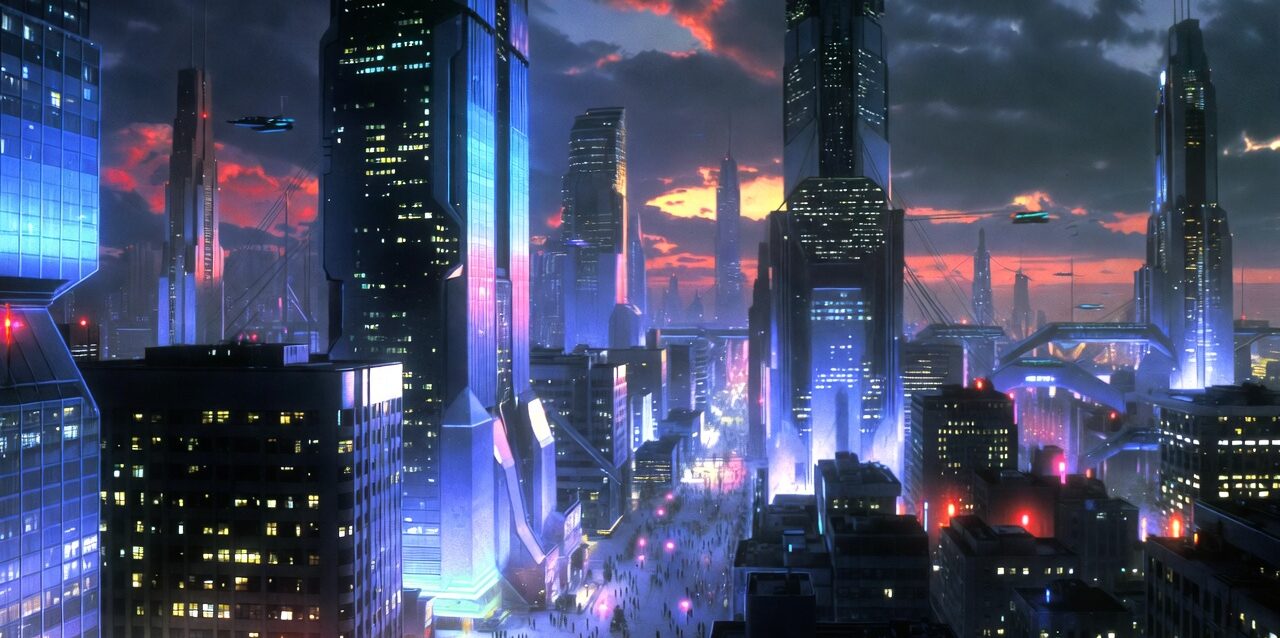
From Car-Centric Commercial Districts to Dense, Walkable, Mixed-Use, and 24-Hour Human-Centered Cores
As of 2026, many downtowns in cities worldwide are still recovering from pandemic shifts, remote work trends, and e-commerce growth. Traditional downtowns feature office towers, retail, restaurants, and some residential, but often suffer from:
- high vacancy rates in office space (15–30% in many U.S. cities)
- declining foot traffic for brick-and-mortar retail
- car-dependent design (wide streets, parking lots, surface lots)
- safety and cleanliness concerns at night
- underused public spaces after business hours
By 2040, downtowns have transformed into dense, vibrant, walkable, mixed-use, 24-hour urban ecosystems — prioritizing people over cars, experiences over transactions, and resilience over single-use zoning. Downtown becomes the heart of city life again, but in a fundamentally different form.
1. Near-Term (2026–2030): Repurposing & Rebalancing
- Office-to-Residential Conversion Wave
Vacant office towers are rapidly converted to apartments, micro-units, co-living, hotels, and mixed-use (ground-floor retail + upper residential).
Cities incentivize conversions with tax breaks, faster permitting, and zoning flexibility. - Car-Free & Low-Traffic Downtown Zones
Many cities expand pedestrian-only streets, bike lanes, and low-emission zones.
Parking minimums are eliminated; surface lots become pocket parks, outdoor dining, or pop-up markets. - Nighttime Activation & Safety
Downtown becomes 18–24 hour active — late-night food halls, entertainment venues, co-working cafés, and public events.
AI-powered lighting, cameras, and predictive policing improve safety perception.
2. Medium-Term (2030–2035): Vertical Mixed-Use & Experience Economy
- Vertical Villages & 15-Minute Downtown
New and retrofitted buildings become “vertical villages” — residences, offices, schools, clinics, gyms, groceries, parks, and entertainment all stacked vertically.
Most daily needs are within a 5–15 minute walk or elevator ride. - Immersive & Hybrid Retail/Entertainment
Retail shrinks to 20–30% of ground space; replaced by experiential zones: - AR/VR arcades and gaming lounges
- interactive art installations
- live music/micro-theaters
- co-working cafés with virtual meeting pods
- wellness studios (meditation, cryotherapy, biohacking)
- Green & Biophilic Design
Downtown streets become green corridors — trees, vertical gardens, urban rivers, and green roofs/terraces.
Public plazas feature dynamic seating, water features, and seasonal events.
3. Long-Term (2035–2040): Adaptive, Regenerative, and 24-Hour Urban Cores
- Adaptive & Shape-Shifting Buildings
Modular, reconfigurable structures change use over time (office to residential to event space) via movable walls, furniture, and facades.
AI manages building systems — reallocating space based on real-time demand. - Regenerative & Net-Positive Downtown
Buildings generate surplus energy, recycle water/waste, and grow food on-site (vertical farms, rooftop gardens).
Carbon-negative design becomes standard; downtowns sequester more CO₂ than they emit. - 24-Hour Symbiotic Communities
Downtown becomes a true 24-hour neighborhood — residents, workers, visitors, and night-shift workers intermingle seamlessly.
Quiet zones, sleep pods, and circadian lighting support all schedules.
Community governance integrates AI-assisted decision-making for public spaces.
Illustrative Downtown Scenarios by 2040
- Morning Commute — Walk or e-bike 8 minutes to work in the same building; grab fresh produce from ground-floor vertical farm.
- Lunch Break — Meet friends in a biophilic plaza with interactive art; order from robotic food stall that knows your preferences.
- Evening Social — Attend live music in a reconfigurable event space; virtual friends join via AR holograms.
- Late Night — Quiet co-working zone for night owls; AI adjusts lighting/sound to support focus or relaxation.
Key Numbers & Trends by 2040 (illustrative)
- Downtown residential share in major cities: up 40–70% from 2025
- Office vacancy converted to residential/mixed-use: 50–80%
- Walkable 15-minute access to daily needs: 70–90% in revitalized downtowns
- Green/public space per resident in downtown: 15–30 m² (up from 5–10 m²)
- 24-hour active downtown zones: 40–70% of core areas in leading cities
- Car traffic in downtown cores: down 50–80%
Risks & Societal Shifts
- Gentrification — Revitalized downtowns raise housing costs; displacement of lower-income residents.
- Privacy & Surveillance — Dense sensor/AI networks risk over-monitoring.
- Loss of Character — Risk of homogenized “global downtown” aesthetics.
- Economic Transition — Traditional retail and office jobs decline; new roles emerge in experience design and community management.
Bottom Line
By 2040 downtowns evolve from car-centric commercial zones to dense, walkable, mixed-use, and 24-hour human-centered urban cores.
The dominant paradigm becomes proximity-driven, regenerative, and experience-rich downtown living — daily life within a 10–15 minute radius, buildings that adapt and regenerate, and spaces that prioritize connection, wellness, and community over consumption.
Downtown stops being a place you visit for work or shopping — it becomes the place where you live, work, play, learn, and belong, all in one vibrant, sustainable ecosystem.
The future downtown isn’t taller or shinier — it’s warmer, greener, more connected, and designed for people first.
Cities reclaim their hearts — not as monuments to commerce, but as living rooms for millions.