
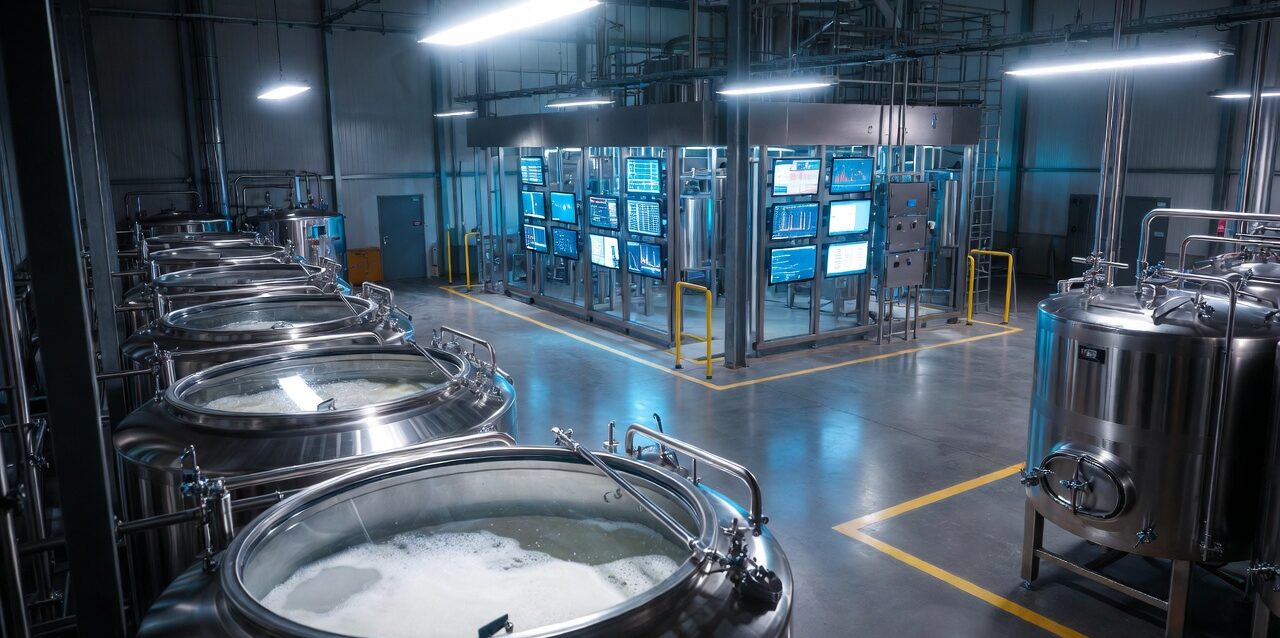
From Feedlots to Fermentation: The Future of Food Production and Consumption
From Traditional Diets to Sustainable, Personalized, and Alternative Protein Systems
As of February 2026, the global food system faces mounting challenges: a population approaching 8 billion (projected to reach ~9.2 billion by 2040), rising demand for protein, climate change impacts (e.g., droughts, extreme weather reducing yields), resource strain (water scarcity, land limits), and growing consumer focus on health, sustainability, and ethics. The industry generates trillions in revenue, but emissions from food/agriculture account for ~25–30% of global GHGs, and traditional animal agriculture faces scrutiny.
This case study synthesizes forecasts from sources like Global Trends 2040, HSBC, AT Kearney, Good Food Institute (GFI), McKinsey, FAO-aligned projections, and alternative protein analyses to outline credible trajectories for what we eat, how it’s produced, and how it’s consumed.
1. Near-Term (2026–2030): Rise of Alternatives & Precision Systems
- Alternative Proteins Gain Mainstream Traction
Plant-based, fermentation-derived, and early cultivated (lab-grown) meats expand rapidly. Plant-based options (e.g., pea, soy, fungi) dominate; precision fermentation produces animal-free dairy/egg proteins (e.g., whey, casein). Cultivated meat enters limited commercial markets (e.g., Singapore, US pilots), with costs falling but still premium. Alternative proteins could capture 10–20% of meat/dairy markets in some regions. - Personalized & Functional Nutrition Emerges
AI apps and at-home tests tailor diets to genetics, microbiome, and biomarkers. Functional foods (added nutrients, adaptogens) grow; consumers demand transparency via blockchain traceability. - Sustainability Pressures Mount
Climate impacts disrupt yields (e.g., 18% potential global drop by 2050 in worst scenarios). Regenerative farming, vertical/indoor agriculture, and reduced-waste supply chains gain traction to cut emissions and water use.
2. Medium-Term (2030–2035): Hybrid Proteins & Systemic Shifts
- Alternative Proteins Accelerate
Cultivated meat scales (costs approach conventional in optimistic scenarios); precision fermentation dominates dairy/egg replacements. Plant-based and fermented products capture significant share — forecasts suggest 35–60% of meat could be alternative by 2040 (AT Kearney, GFI). Edible insects, seaweed, and algae become viable protein sources in select markets. - Precision & Regenerative Production
AI/robotics optimize farming (precision agriculture, vertical farms reduce land/water needs). Lab-grown and fermented foods reduce land use/emissions dramatically. Personalized nutrition markets expand (projected $64B by 2040 in some estimates). - Consumer & Policy Drivers
Health (chronic disease reduction), ethics (animal welfare), and environment (climate goals) push shifts. Policies (e.g., EU pesticide reductions, carbon pricing) accelerate change.
3. Long-Term (2035–2040): Diverse, Sustainable, & Adaptive Food Systems
- Dominant Protein Mix
Alternative sources (cultivated, fermented, plant-based) could comprise 50%+ of global protein consumption (optimistic forecasts). Traditional meat persists in niches; hybrid products blend sources for taste/nutrition. - Fully Personalized & Regenerative Ecosystems
Food becomes hyper-personalized (genetic/dietary tailoring); kitchens integrate AI for meal planning. Regenerative practices (carbon-sequestering farming, circular systems) become standard to meet climate targets. Vertical farming, hydroponics, and controlled environments expand in urban areas. - Global & Cultural Adaptation
Diets shift toward plant-forward, lower-meat patterns; new proteins (insects, algae) integrate culturally. Food security improves in adaptive scenarios, but vulnerable regions face risks without innovation.
Key Food Trends & Projections by 2040 (Illustrative Examples)
- Alternative Proteins — 35–60% of meat/dairy markets (lab-grown/cultured, fermented, plant-based).
- Personalized Nutrition — AI-driven diets add trillions in health/economic value.
- Sustainable Production — Regenerative/vertical farming cuts emissions; water-efficient systems address 40%+ scarcity gaps.
- Daily Meal — Personalized, low-waste, functional foods — e.g., AI-suggested, fermented-protein dish optimized for your microbiome.
Risks & Societal Shifts
- Inequality & Access — Premium personalized/alternative foods favor affluent; developing regions lag.
- Climate & Supply Risks — Unmitigated warming could reduce yields 18%+ by 2050; food scarcity in vulnerable areas.
- Cultural & Acceptance Barriers — Resistance to lab-grown/insect foods; need for taste/affordability breakthroughs.
- Regulation & Ethics — Labeling, safety standards, and equitable access essential.
Bottom Line
By 2040, food evolves from resource-intensive, animal-centric systems to diverse, sustainable, and personalized ecosystems. The dominant paradigm becomes alternative protein dominance with regenerative, precision-driven production — cultivated/fermented/plant-based sources meeting rising demand while slashing emissions, land, and water use. Food won’t just sustain us; it will optimize health, adapt to climate realities, and reflect ethical priorities. The future isn’t scarcity — it’s innovation: a more resilient, nutritious, and planet-friendly food system, if societies invest in tech, policy, and adaptation today.