
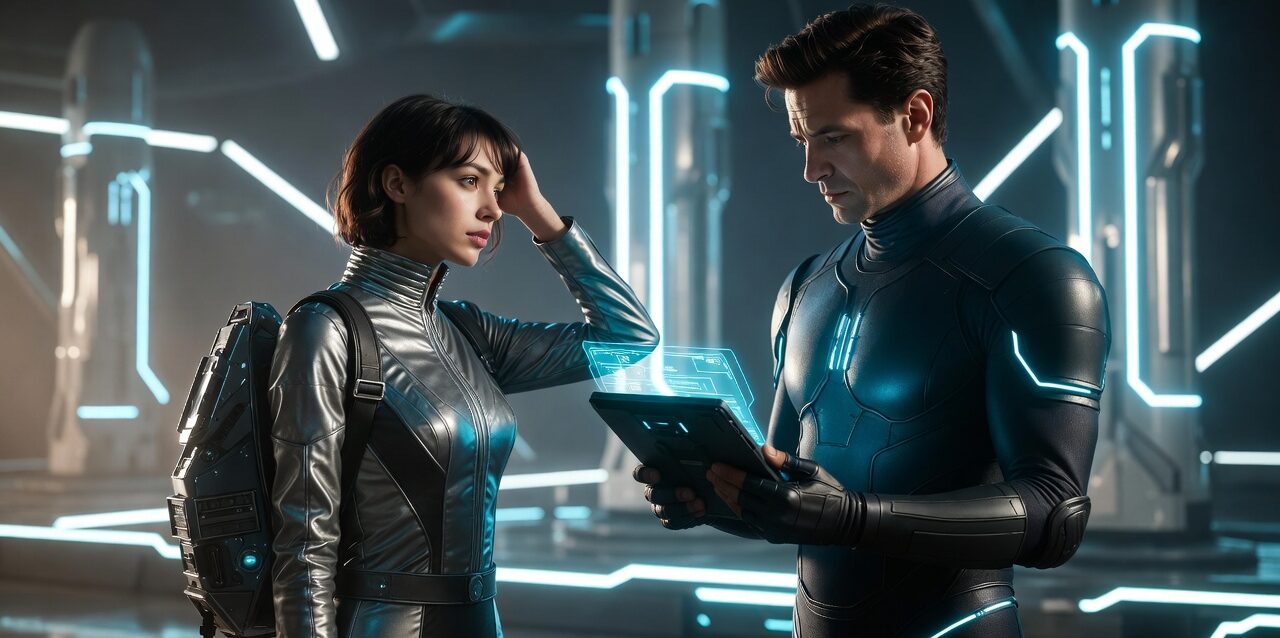
From Human-Only Partnerships to Hybrid Human-AI-Virtual Creator Ecosystems
As of 2026, influencer collaboration is still predominantly human-to-human and brand-to-human:
- Brands pay real creators (Instagram, TikTok, YouTube, Twitch, X) for sponsored posts, affiliate links, product placements, live streams, and long-term ambassadorships
- Average micro-influencer deal: $500–$5,000
- Mid-tier: $10k–$50k
- Mega-influencer/TikTok star: $100k–$1M+ per campaign
- Virtual influencers (Lil Miquela, Imma, Noonoouri, Aitana López) already exist but represent <5% of total influencer marketing spend (~$21 billion global market in 2025)
By 2040 influencer collaboration becomes a hybrid, multi-entity, AI-augmented, and co-created ecosystem — where human creators, fully synthetic/virtual influencers, AI agents, brand-owned digital personas, and fan collectives all participate in value creation. The line between “real” and “virtual” influencer disappears for most audiences.
1. Near-Term (2026–2030): Virtual Influencers Scale + Early AI Co-Creation
- Virtual Influencers Reach Mainstream Viability
Fully synthetic influencers (AI-generated face + voice + personality) grow from niche novelty to serious commercial entities.
By 2030 they capture 15–25% of total influencer marketing spend in fashion, beauty, gaming, and lifestyle categories.
Brands prefer them for zero scandal risk, infinite availability, perfect brand voice consistency, and 24/7 content production. - AI as Creative Co-Pilot
Human influencers use AI tools to generate content ideas, scripts, captions, thumbnails, and even first-cut video edits.
Early “AI clone” services allow creators to license digital versions of themselves for always-on brand activations (e.g., AI version answers DMs, appears in 24/7 livestreams). - Fan-Owned & Collective Influencers
Early experiments in fan collectives (DAOs, tokenized communities) where fans co-own and co-create an influencer persona — profits shared via tokens.
2. Medium-Term (2030–2035): Hybrid Human-AI-Virtual Collaborations
- Triadic Partnerships (Brand + Human + Virtual/AI)
Most major campaigns involve three entities: - human macro-influencer for emotional authenticity
- brand-owned virtual persona for consistency and scale
- AI agent swarm for 24/7 engagement, content variations, and micro-targeting
- Persistent Digital Twins & Always-On Presence
Every major influencer has a legally protected digital twin that can post, stream, and interact independently.
Twins earn revenue, build audience, and maintain brand relationships when the human is offline or retired. - Fan Co-Creation & UGC Explosion
Brands launch open-source creative briefs — fans + AI co-create campaign assets.
Top fan submissions become official content; creators earn royalties via smart contracts.
3. Long-Term (2035–2040): Post-Human & Collective Influencer Era
- Synthetic-First & Fully AI-Native Influencers
Many top “influencers” are 100% synthetic — never had a human original.
They are engineered for perfect charisma, cultural fluency, and 24/7 availability.
Audiences form genuine parasocial relationships with non-human entities. - Decentralized & Community-Owned Influencers
DAOs and tokenized communities fully own and govern influencer personas — no single human creator.
Revenue splits among contributors, fans, and brand partners via transparent on-chain mechanisms. - Neural & Emotion-Driven Collaboration
Early brain-computer interfaces allow creators to “feel” audience reactions in real time and adapt content emotionally.
AI translates emotional feedback into actionable creative direction.
Illustrative Influencer Collaboration Scenarios by 2040
- Fashion Campaign — Brand + human supermodel + her official AI twin + fan DAO → co-create collection, virtual runway show in metaverse, physical drops shipped via drone.
- Gaming Stream — AI-native streamer plays 24/7; human founder sets creative direction quarterly; fans vote on next game via governance tokens.
- Wellness Brand Launch — Virtual longevity influencer (no human original) hosts live meditation in VR; AI agents deliver personalized follow-up plans to every viewer.
- Cause-Related Activation — Community-owned climate influencer raises funds via NFT drops; proceeds tracked on-chain and deployed transparently.
Key Numbers & Trends by 2040 (illustrative)
- Share of influencer marketing spend on virtual/AI-native creators: 40–70%
- Average campaign team composition: 1–3 humans + 5–20 AI agents + fan DAO input
- Global creator economy size: $500 billion – $1+ trillion (including virtual)
- Fan ownership/tokenized participation rate: 30–60% of major influencer projects
- Content production speed: 10–100× faster than 2026 due to AI co-creation
Risks & Societal Shifts
- Authenticity Erosion — Audiences may struggle to trust whether a creator is human or synthetic.
- Emotional Manipulation — Hyper-realistic AI influencers can exploit parasocial bonds more effectively than humans.
- Economic Concentration — Early AI-influencer owners capture disproportionate value.
- Cultural Homogenization — Risk of algorithmically perfected personas reducing diversity of voice and expression.
Bottom Line
By 2040 influencer collaboration evolves from human-to-brand transactions to multi-entity, AI-augmented, co-created, and decentralized value ecosystems.
The dominant paradigm becomes hybrid human-AI-virtual creator networks — where real people, digital twins, synthetic personas, and fan communities all participate in content creation, monetization, and cultural production.
Influencer marketing stops being about paying a person to post — it becomes about orchestrating living, breathing digital-cultural entities that evolve with audiences.
The future isn’t more sponsored posts — it’s shared realities where brands, creators, and fans co-build meaning together.
The next generation won’t follow influencers — they will co-own and co-create them.
And that changes everything.