
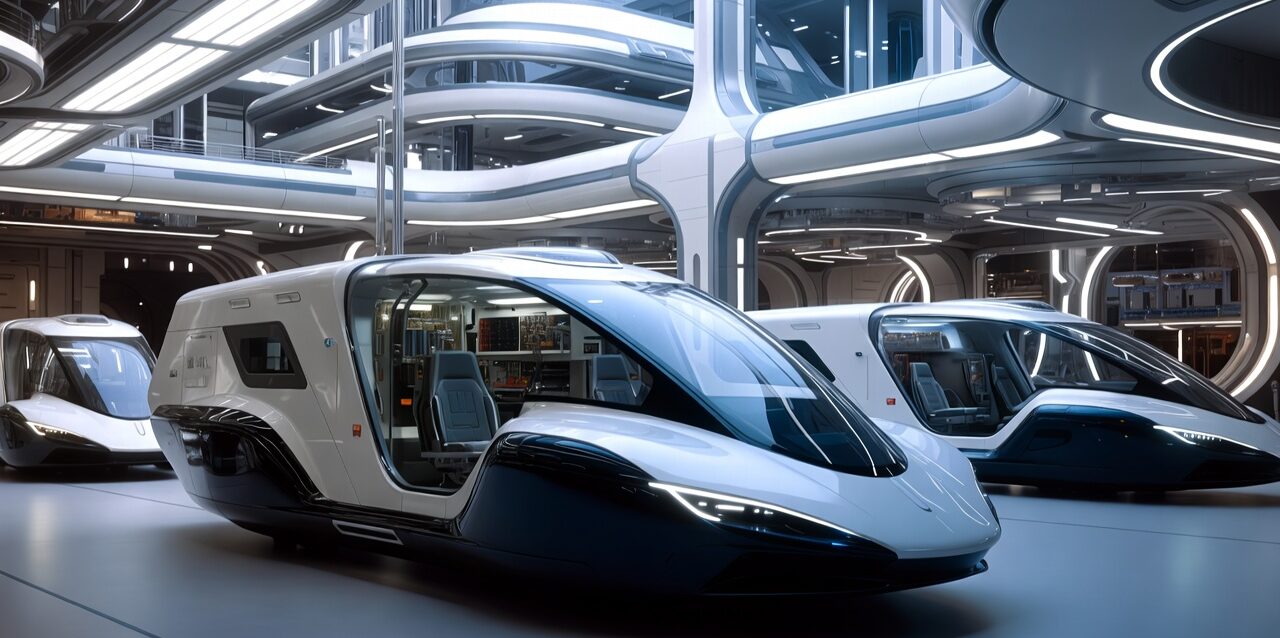
From Traditional Siren Vans to Autonomous, AI-Orchestrated, and Hyper-Efficient Emergency Response Platforms
As of 2026, ambulances remain largely human-driven vans or SUVs equipped with basic life-support tools, defibrillators, oxygen, and stretchers. Response times average 7–15 minutes in urban areas (longer in rural zones), with paramedics providing on-scene stabilization before transport to hospitals. The global emergency medical services (EMS) sector handles millions of calls annually, but faces challenges: staff shortages, traffic delays, high operational costs, and limited real-time data sharing with hospitals.
By 2040, ambulances evolve into autonomous, multi-modal, data-rich, and preventive emergency ecosystems — reducing response times dramatically, improving outcomes, and shifting some care to pre-hospital and even predictive interventions.
1. Near-Term (2026–2030): Electrification, Drones & Remote Medical Support
- Electric & Hybrid Ambulances
Major EMS fleets transition to electric or hybrid-electric vehicles — silent operation, zero tailpipe emissions, lower running costs, and instant torque for faster acceleration in traffic.
Charging infrastructure at hospitals and stations becomes standard. - Drone First Response & Delivery
Medical delivery drones (Zipline, Wing, Manna) become widespread for AEDs, blood, medications, and trauma kits — reaching remote or traffic-locked areas in 2–5 minutes.
Paramedic drones with two-way video and basic tools (e.g., CPR guidance, naloxone administration) assist until ground units arrive. - Telemedicine & Remote Triage
Onboard high-definition video + AI triage systems connect paramedics to emergency physicians in real time.
Early interventions (e.g., stroke assessment, STEMI diagnosis) begin en route; hospital teams prepare before arrival.
2. Medium-Term (2030–2035): Autonomous Ambulances & Air-Ground Integration
- Level 4–5 Autonomous Ambulances
Self-driving ambulances operate without onboard drivers in urban/suburban areas — faster response (no human delay), no fatigue, and optimized routing.
Human paramedics focus on patient care; vehicles drive, navigate, and communicate with traffic systems. - eVTOL Air Ambulances
Electric vertical takeoff and landing (eVTOL) aircraft (Joby, Archer, Lilium successors) become routine for critical cases — 10–30 minute transport across cities or to trauma centers.
Drones + ground ambulances create hybrid response chains. - Onboard AI & Robotics
AI triages patients, suggests protocols, and controls basic interventions (IV placement, defibrillation timing).
Robotic arms assist with CPR, intubation, or wound packing under paramedic guidance.
3. Long-Term (2035–2040): Predictive, Swarm-Enabled, and Mobile ICU Systems
- Predictive & Preventive EMS
AI analyzes wearables, smart-home sensors, and health records to predict cardiac events, strokes, or falls — dispatching ambulances before the 911 call.
“Pre-arrival care” begins: drones deliver AEDs/meds, and autonomous units arrive before collapse. - Swarm & Multi-Modal Response
Fleets of small autonomous ambulances, drones, and eVTOLs swarm to incidents — the nearest unit arrives in 2–4 minutes in urban areas.
Patient is stabilized on scene; transport only if needed. - Mobile ICUs & Hospital-at-Home
Ambulances become mobile intensive care units — advanced diagnostics (portable ultrasound, blood labs), telemedicine suites, and robotic surgery assistance.
Many patients treated on scene or at home; hospital admission becomes the exception.
Illustrative Ambulance Scenarios by 2040
- Cardiac Arrest — AI predicts event from wearable → drone delivers AED → autonomous ambulance arrives in 3 minutes → robotic CPR + AI-guided defibrillation.
- Stroke Call — eVTOL air ambulance lands on rooftop → patient flown directly to stroke center in 15 minutes → hospital team prepped via real-time telemetry.
- Trauma Incident — Swarm of ground pods and drones arrives → AI triages multiple victims → specialized units transport critical cases while others provide on-site care.
- Rural Emergency — Long-range eVTOL + autonomous ground relay chain covers 100+ km distances in under 30 minutes.
Key Numbers & Trends by 2040 (illustrative)
- Autonomous ambulance share in urban areas: 70–95%
- Average urban response time: 3–6 minutes (down from 7–12)
- eVTOL air ambulance flights per major city: thousands per day
- Pre-hospital survival rate for cardiac arrest: up 50–200% (early defibrillation, predictive dispatch)
- On-scene treatment vs. transport: 40–70% of cases resolved without hospital transfer
Risks & Societal Shifts
- Over-Reliance on Tech — System failures, cyberattacks, or AI errors could delay critical care.
- Inequality — Advanced air/ground fleets favor wealthy or urban areas; rural response lags.
- Privacy & Surveillance — Predictive dispatch and constant monitoring raise ethical concerns.
- Job Displacement — Paramedics shift to oversight, telehealth, and specialized roles.
Bottom Line
By 2040 ambulances cease to be just fast vans with sirens — they become autonomous, predictive, multi-modal, and mobile intensive care platforms.
The dominant paradigm shifts to preemptive, AI-orchestrated, and outcome-focused emergency response — drones arrive first, autonomous units stabilize patients, and air ambulances transport only when essential.
The future of ambulances isn’t about driving faster — it’s about arriving before the crisis worsens, treating more people on scene, and saving lives through intelligence rather than speed alone.
Emergency care stops being reactive — it becomes proactive, seamless, and life-affirming.
The ambulance of 2040 isn’t a vehicle rushing through traffic — it’s a distributed, intelligent safety net that anticipates, responds, and heals wherever you are.