
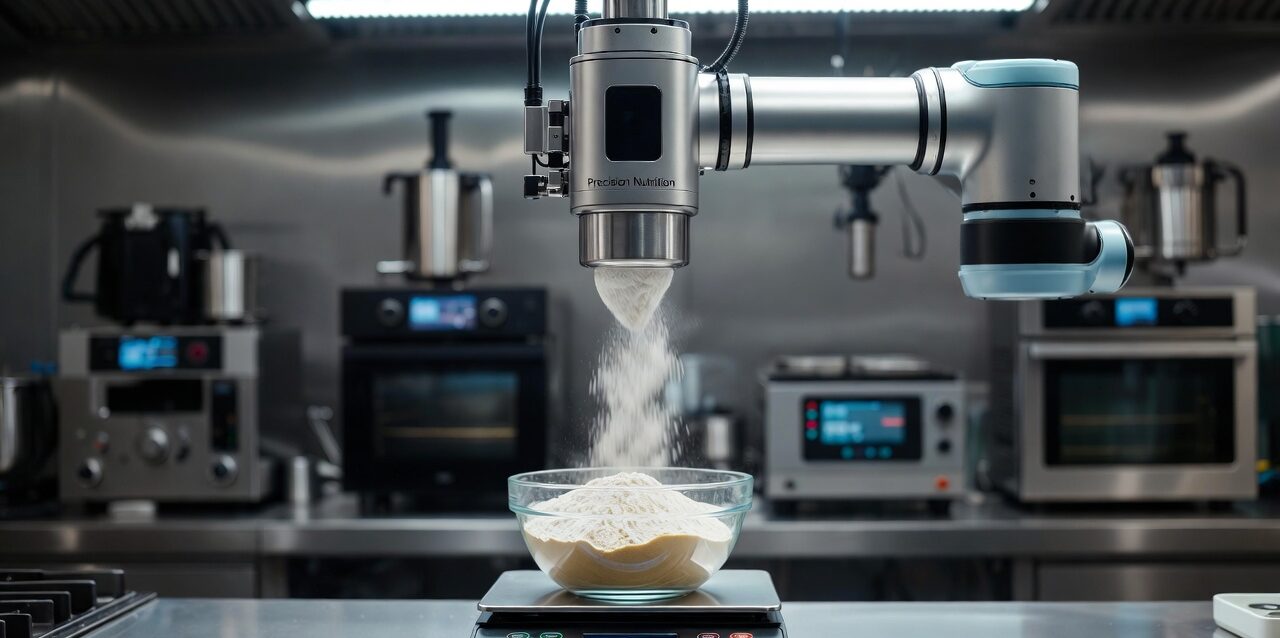
The Culinary Horizon: AI, Robots, and Precision Nutrition Redefine Cooking
From Manual Prep to AI-Orchestrated, Personalized, and Sustainable Meals
As of February 2026, home cooking remains central to daily life, but faces pressures from time constraints, rising food costs, health awareness, sustainability demands, and labor shortages in food service. The global smart kitchen market grows rapidly, with AI appliances, connected devices, and personalized nutrition gaining traction. Forecasts indicate kitchens will evolve into intelligent, efficient hubs — blending automation, biotech ingredients, and wellness integration — while preserving human creativity and joy in cooking.
This case study draws from industry trends (smart kitchens, AI appliances), expert predictions (future kitchens by 2030–2040), and emerging shifts (lab-grown/cultured foods, personalized nutrition) to outline plausible trajectories.
1. Near-Term (2026–2030): Smart Kitchens & AI Assistance
- AI-Powered Appliances Dominate
Smart ovens, fridges, and cooktops become standard — scanning ingredients, suggesting recipes based on what’s available, dietary needs, and health data (from wearables). Voice/AI assistants (e.g., advanced Google/Amazon successors) guide step-by-step, adjust cooking times/temps in real time, and minimize waste. Smart fridges predict spoilage, auto-order groceries, and recommend meals. - Personalized & Health-Focused Cooking
Nutrition apps integrate with kitchens: AI tailors recipes to genetics, microbiome, activity levels, or conditions (diabetes, weight goals). Plant-based and functional ingredients rise; home cooks easily adapt meals for protein, fiber, or micronutrient needs. - Sustainability & Efficiency
Energy-efficient appliances and precision cooking reduce waste/energy use. Indoor hydroponics or small vertical gardens provide fresh herbs/produce year-round.
2. Medium-Term (2030–2035): Robotic Helpers & Alternative Ingredients
- Robot Chefs & Automation
Robotic arms or multi-tasking kitchen bots (e.g., successors to current prototypes) handle chopping, stirring, frying, and cleanup — especially for repetitive tasks. AI robot chefs learn preferences, taste via sensors, and execute complex recipes with precision. Home users get semi-autonomous cooking for busy nights; restaurants deploy them to cut labor costs 20–30%. - Lab-Grown & Cultured Foods Enter Kitchens
Cultured meat, precision-fermented proteins, and alternative ingredients become affordable/mainstream. Home cooks “grow” or order cultured proteins; recipes adapt seamlessly (e.g., lab-beef stir-fry with same texture/flavor). Reduces environmental impact; enables hyper-customization (lower fat, added nutrients). - Hybrid Human-Tech Cooking
Chefs/artists retain creative control; AI/robots handle execution. Virtual cooking classes or AR overlays guide techniques in real time.
3. Long-Term (2035–2040): Fully Adaptive & Regenerative Kitchens
- Intelligent, Living Kitchens
Kitchens respond like ecosystems — AI anticipates needs (mood, energy), adjusts ambiance, and cooks autonomously. Holographic chefs provide inspiration; full-sensory feedback (taste simulation, scent emitters) refines results. Cooking becomes optional — many opt for quick, perfect meals; others embrace hands-on creativity. - Biotech & Precision Nutrition Integration
Ingredients engineered for health (omega-3 enriched, microbiome-friendly). Digital twins simulate meals’ effects on your body before cooking. Waste nears zero; regenerative practices (composting, upcycling) standard. - Cultural & Social Role
Kitchens remain social hubs — collaborative cooking with family/friends, even if AI assists. Communal or virtual shared meals grow.
Illustrative Cooking Scenarios by 2040
- Quick Weeknight Meal — AI scans fridge, suggests personalized recipe, robot preps/cooks while you relax.
- Family Dinner — AR guides kids in chopping; cultured proteins customized for allergies/nutrition.
- Gourmet Experience — Holographic chef demos technique; kitchen auto-adjusts for perfect results.
- Sustainable Prep — Indoor garden provides ingredients; AI minimizes waste/energy.
Risks & Societal Shifts
- Skill Loss & Inequality — Over-reliance on tech could erode cooking skills; premium systems favor affluent households.
- Privacy & Data — Constant monitoring (biometrics, preferences) raises concerns.
- Cultural Authenticity — AI might standardize flavors; backlash could revive traditional/handmade cooking.
- Sustainability Trade-Offs — Biotech/energy demands need green solutions.
Bottom Line
By 2040, cooking evolves from labor-intensive chore to AI-orchestrated, personalized, and sustainable ritual. The dominant paradigm becomes intelligent, hybrid human-tech meal preparation — smart kitchens, robotic helpers, cultured ingredients, and precision nutrition make healthy, delicious food effortless and eco-friendly. Cooking won’t disappear; it will transform — freeing time for creativity and connection while advancing health, sustainability, and accessibility. The future kitchen isn’t just a room; it’s a proactive partner in nourishing body, mind, and planet.