The Next Chapter of Life: Longevity Villages, Smart Homes, and Meaningful Aging
From Traditional Senior Homes to Personalized, Tech-Enabled, and Healthspan-Focused Communities
As of February 2026, the global population aged 65+ is approximately 800 million and growing rapidly — projected to reach 1.4–1.6 billion by 2050 (UN estimates). Retirement living is shifting from institutional care homes and age-restricted communities toward models that prioritize healthspan (healthy, active years), autonomy, social connection, and financial flexibility. The senior living market is valued at ~$400–500 billion annually and is expected to grow significantly, driven by aging baby boomers, longer lifespans, rising chronic disease rates, and demand for tech-enabled, community-oriented living.
By 2040, retirement living evolves into personalized, tech-integrated, and wellness-centered ecosystems — blending independent living, assisted care, intergenerational communities, and longevity-focused environments that extend active, fulfilling years rather than just survival.
1. Near-Term (2026–2030): Tech-Enabled Independence & Hybrid Communities
- Smart & Age-Tech Integration
Homes and communities embed AI, IoT, and wearables: fall detection, medication reminders, health monitoring (heart rate, sleep, activity), voice-activated controls, and predictive alerts (e.g., “you seem unsteady — want help?”). Telehealth and remote monitoring reduce hospital visits. - Hybrid & Continuing Care
Continuing Care Retirement Communities (CCRCs) expand — offering independent living, assisted living, memory care, and skilled nursing on one campus. Hybrid models blend on-site care with aging-in-place support (home aides, remote check-ins). - Wellness & Active Living
Communities prioritize fitness, nutrition, social programs, and cognitive health. Amenities include gyms, pools, walking paths, gardens, and classes. Intergenerational programs (co-located with universities or family housing) become more common.
2. Medium-Term (2030–2035): Personalized & Longevity-Focused Living
- Longevity Communities
Specialized retirement villages emerge — designed around healthspan extension (exercise physiology, nutritionists, regenerative therapies). AI “life coaches” personalize daily routines (sleep, movement, diet) based on biometrics and genetics. - Autonomous & Adaptive Homes
Homes become semi-autonomous: adjustable lighting/furniture, exoskeletons for mobility, companion robots for assistance and companionship, and AR/VR for virtual travel and social connection. Modular designs allow easy adaptation as needs change. - Financial & Social Innovation
New models (co-housing, shared equity, fractional ownership) improve affordability. Digital platforms match retirees with compatible housemates or communities. Virtual retirement villages connect remote seniors.
3. Long-Term (2035–2040): Symbiotic & Multi-Generational Ecosystems
- Healthspan-Optimized Communities
Retirement living centers on extending healthy years — on-site regenerative medicine (stem cell therapies, senolytics), personalized genomics, and AI-driven prevention. Residents remain active into their 90s–100s. - Intergenerational & Purpose-Driven
Communities integrate all ages — retirees mentor youth, share skills, and contribute to local economies. Purpose becomes central — lifelong learning, volunteering, creative pursuits, and legacy projects. - Decentralized & Resilient Design
Some move to climate-resilient locations (inland, elevated) or underground/vertical hybrids. Smart grids, renewable energy, and local food production (indoor farming) make communities self-sufficient.
Illustrative Retirement Living Scenarios by 2040
- Tech-Enabled Independent Home — AI monitors health, adjusts environment, schedules care; robot companion for daily help and conversation.
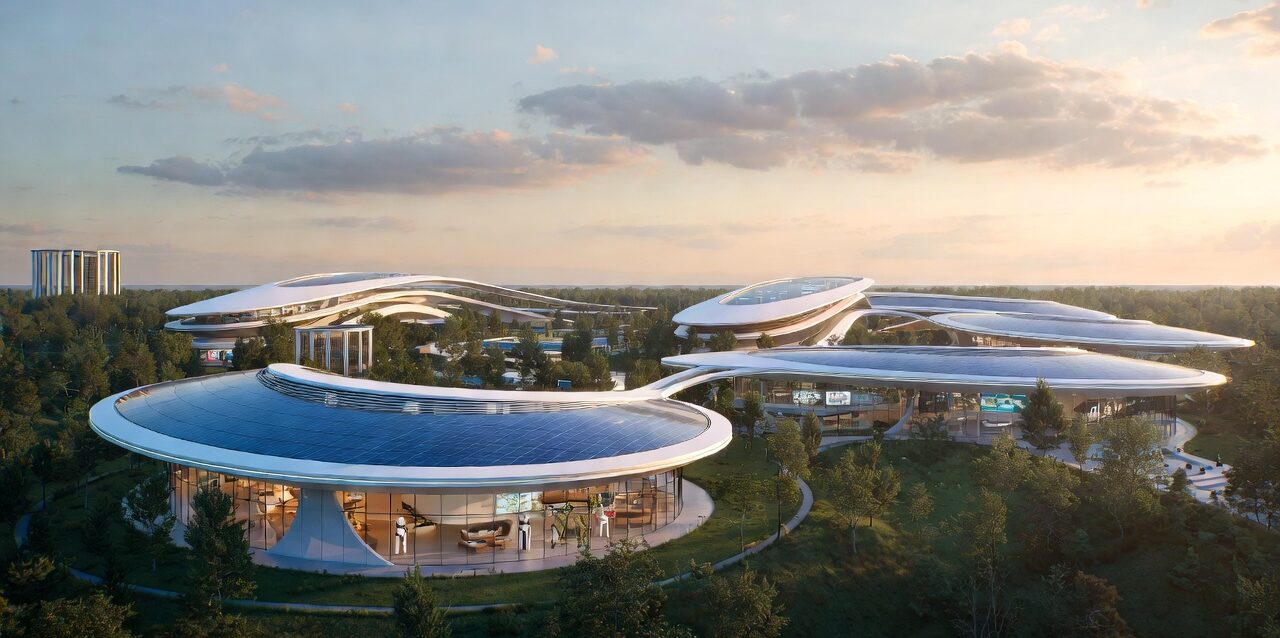
- Longevity Village — Campus with fitness labs, regenerative clinics, vertical gardens, and AI-personalized wellness plans.
- Intergenerational Co-Living — Mixed-age building where retirees teach skills, share meals, and live near families.
- Virtual Retirement Community — Digital platform connects remote seniors for social events, learning, and mutual support.
Risks & Societal Shifts
- Inequality — High-end longevity communities favor the wealthy; access to tech/care remains uneven.
- Isolation vs. Connection — Digital tools risk reducing in-person bonds; design must prioritize real community.
- Financial Strain — Longer lifespans increase costs; new retirement models (shared equity, phased work) must evolve.
- Ethical — Privacy concerns with constant monitoring; balancing autonomy with safety.
Bottom Line
By 2040, retirement living transforms from institutional care to personalized, tech-enabled, and healthspan-focused communities — extending active, meaningful years rather than just adding time. The dominant paradigm becomes intelligent, intergenerational, and regenerative living — AI anticipates needs, regenerative medicine slows decline, and communities foster purpose and connection. Retirement won’t be a phase of decline — it will be a vibrant, adaptive chapter where technology supports independence, health, and contribution. The future is not waiting for age — it’s actively designing a longer, richer life, grounded in dignity, community, and innovation.